Mass Tort Fee Structures: Comparison Guide

Mass Tort Fee Structures: Comparison Guide
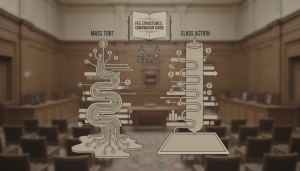
Disclaimer: This article is informational only and does not constitute legal advice. Mass tort and class action eligibility, deadlines, and settlement procedures vary by jurisdiction and individual circumstances. For specific case evaluation, consult a qualified attorney licensed in your state. Any payout ranges mentioned reflect publicly disclosed settlement administrator data and do not guarantee individual outcomes. As of January 12, 2026, the landscape of American mass tort litigation continues to expand, with thousands of plaintiffs seeking recourse for environmental hazards, defective medical devices, and pharmaceutical complications. When you enter the world of Multi-District Litigation (MDL), the first question often involves the financial burden of seeking justice. Unlike traditional legal services where an hourly clock starts ticking the moment you walk into an office, mass tort litigation operates under a specialized economic framework designed to provide access to the courts for individuals who might otherwise be unable to afford high-stakes litigation against multi-billion dollar corporations. The complexity of these cases in 2026 requires a nuanced understanding of how legal professionals are compensated. Whether you are involved in a legacy claim regarding talcum powder or a more recent 2026-filed action concerning emerging chemical contaminants, the way your attorney is paid—and what expenses are deducted from your potential recovery—will significantly impact your final net settlement. Understanding the **mass tort fee structure** is not just about the percentage the lawyer takes; it is about the “common benefit” deductions, the treatment of litigation expenses, and the specific language within your retainer agreement. The Contingency Fee Model in Mass Tort Litigation The vast majority of mass tort cases are handled on a contingency fee basis. This model is often described as “no win, no fee,” meaning the attorney only receives payment if they successfully secure a settlement or a jury award for the client. According to the American Bar Association (ABA), contingency fees are a vital tool for providing legal representation to those who cannot afford to pay an attorney by the hour. In the context of mass torts, this model shifts the entire financial risk of the case from the individual plaintiff to the law firm. In 2026, the standard contingency fee for mass tort cases typically ranges from 33.3% to 40% of the total recovery, though this can vary based on the complexity of the litigation and the stage at which the case is resolved. When [Finding a Qualified Mass Tort Attorney: Vetting Guide](https://www.checkandshake.com/finding-mass-tort-attorney/), …

MDL Bellwether Trials Explained

MDL Bellwether Trials Explained

Disclaimer: This article is informational only and does not constitute legal advice. Mass tort and class action eligibility, deadlines, and settlement procedures vary by jurisdiction and individual circumstances. For specific case evaluation, consult a qualified attorney licensed in your state. Any payout ranges mentioned reflect publicly disclosed settlement administrator data and do not guarantee individual outcomes. As of October 2026, the landscape of American civil litigation continues to be dominated by massive, complex cases involving thousands of plaintiffs and multinational corporations. When a single product or action causes widespread harm—ranging from defective medical devices to environmental contamination—the federal court system often utilizes a specialized mechanism known as Multi-District Litigation (MDL). Within this framework, perhaps the most critical milestone for any claimant is the arrival of bellwether trials. These are not just ordinary court dates; they are the “litmus tests” that determine the trajectory of thousands of related lawsuits. For a consumer navigating a claim in 2026, the term “bellwether” can feel like legal jargon, yet its outcome may dictate whether a case settles for a significant amount or faces years of further litigation. A bellwether trial is a representative case selected from a larger pool to be tried before a jury. The results of these trials provide essential data to both plaintiffs and defendants regarding how a “typical” jury perceives the evidence, the credibility of expert witnesses, and the appropriate valuation of damages. While these trials do not legally bind other plaintiffs, they create the necessary pressure for the parties to negotiate a global settlement. The Structural Foundation: JPML and the MDL Process The journey toward a bellwether trial begins with the United States Judicial Panel on Multidistrict Litigation (JPML). According to USDC JPML data, this panel of seven sitting federal judges has the authority to transfer civil actions involving one or more common questions of fact to a single district court for coordinated or consolidated pretrial proceedings. The primary goal is to avoid duplicative discovery, prevent inconsistent pretrial rulings, and conserve the resources of the parties and the judiciary. In 2026, this process remains the standard for handling “mass torts,” which differ significantly from class actions in how individual damages are assessed. Once the JPML creates an MDL, it appoints a single judge to oversee the “Master Docket.” This judge manages the discovery phase, where both sides exchange evidence, take depositions, and vet expert witnesses. It is important for …